
Last updated: 13 April 2026
Contributor: Carolina De La Torre Ugarte, Chat ADHD
Switzerland prides itself for its world-class health care system, but navigating it —especially with language barriers and confusing insurance plans—can feel like a full-time job. But some things really shouldn’t wait, and mental health care is at the top of that list. Whether you’re feeling overwhelmed with life (*gestures around crazily*) or dealing with something deeper, here is how to get the support you need in Geneva.

This article is for informational and educational purposes only and does not constitute professional medical advice, diagnosis, or treatment. Always seek the advice of a qualified healthcare provider with any questions you may have regarding a mental health condition. Never disregard professional advice or delay seeking it because of something you have read here.
Accessing mental health services in Geneva:
- Psychiatrist or Psychotherapist: Who do I need?
- Where should I start first? Who should I go see?
- What do the costs and coverage look like?
- What do I do if I’m already on a treatment plan from my home country?
- Where can I find English-speaking doctors?
- What happens if I want to switch therapists?
- How do I know what to look for in a therapist?
- I can’t wait weeks for an appointment (emergencies)
1. Psychiatrist or Psychotherapist: Who do I actually need?
The world of psychology is complex and chock-full of acronyms and terminology that’s caused my eyes to glaze over. In Switzerland, the distinction is mainly about medical authority vs talk therapy.
- Psychiatrist (Medical Doctor): They specialize in mental health and can provide formal diagnoses (for work or disability). Most importantly, they are the only ones who can prescribe medication (e.g. antidepressants, ADHD meds). If they are working within the Swiss system, they are covered by basic insurance (LaMal). Just be sure to ask about billing (whether they bill you, or the insurance directly).
- Psychotherapist (Talk Therapy): They are the ones that can help you work through trauma, anxiety, or other life transitions. They don’t prescribe medication but provide therapy.
- ⚠️ Insurance catch: Psychotherapists that are federally recognized are covered by basic insurance in Switzerland, provided that you have a referral from your GP. It’s also good to note here that some psychiatrists are trained psychotherapists, so make sure to check with your provider!
| 😕 Terminology confusion: In the US or UK, ‘psychologist’ is a catch-all for therapy. In Switzerland, a psychologist is someone with a degree in psychology, but they might not have the extra clinical training to sit with you and talk. In short – all psychotherapists are psychologists but not all psychologists are psychotherapists. |
2. Where should I start first?
In the Swiss healthcare system, your GP is your first stop. It’s important to talk to your GP about the struggles you are facing, and in having that conversation, the GP can guide you in the direction you’d like to be steered in. Your GP will then provide a medical prescription (bon de délégation), which typically covers up to 15 sessions. Without this piece of paper, your insurance company will likely reject the bill.
- ❗Insurance Check: Some “HMO” or “Telmed” plans require you to call a hotline to “open a case” before your first appointment to avoid surprise bills.
- 💰 Private Pay: If you choose to pay out-of-pocket, you can skip the GP and book directly with any specialist.
| 🌎 Support outside of Switzerland: If you are planning to pay out of pocket anyway, you can consider providers outside of Switzerland. For example, some people prefer to meet with someone of a similar cultural background or is familiar with certain contexts. As many providers offer online therapy, physical location becomes less of a problem. |
3. Costs & Coverage: Will this cost an arm and a leg?

Every resident in Switzerland is required to have basic insurance (LAMal – this is a subject for another day). Mental health is covered by law but your “out of pocket” spend will depend on your specific plan:
- Deductibles & Copay: You pay 100% of the bill until you surpass the deductible amount (e.g. CHF 300 or CHF 2,500). Once your deductible is met, you will still pay 10% of the bill (capped to 700 CHF per year)
- Supplementary insurance: Some people will have “private” add-ons, to cover additional treatments. You can check with your insurance company to see what is possible
- Average costs: As a benchmark, expect to see a bill between CHF 160 – 220 for a 60-minute session. Most providers will provide their costs on their site or you can call and ask in advance.
4. What do I do if I’m already on a treatment plan from my home country?
Please don’t wait until you’re staring at the bottom of an empty pill bottle to schedule an appointment. Wait times in Geneva can be annoyingly long, especially if you have a specific doctor you want to see.
You are legally allowed to bring a 30-day supply of personal medication into Switzerland. However, pharmacies in Switzerland can’t fill foreign prescriptions, local prescriptions are mandatory.
| 👀 Controlled substances: Medications like Ritalin are strictly regulated in Swtizerland, and will often require a prescription from a psychiatrist or a GP. It is super important to bring original diagnosis reports from your home country, in English or French, so that you aren’t starting the process from zero. Some places will also require a diagnosis to be completed in Switzerland – this really depends on the practitioner. |
5. Finding English-Speaking Support
Geneva is international but English-speaking doctors fill up fast, especially the good ones. Patience is key here.
Here are some good starting points:
- OneDoc.ch: The “Gold Standard” in Switzerland. Filter by “Psychiatry” or “Psychology,” then select English under languages. Look for the “Accepting New Patients” badge.
- FSP (Psychologie.ch): The official Federation of Swiss Psychologists. You can filter specifically for therapists who are “LAMal recognized”
- Trajectoires – This is an association that helps individuals navigate the system with you and find the right therapist. Members of our community reported that they received support in English.
- Counseling Center at Webster University Geneva – The Center is staffed by English-speaking counselors-in-training who are supported by an on-site and external supervisor. This service is an integral part of the practical training required for graduation. Strict confidentiality is maintained at all times. While services are free for students and non-students who could otherwise not afford it, please be aware that there is a waiting list for new non-student clients. You can reach out to register for the next available opening.
- The Neurodiversity Support Network Switzerland – This organization provides support to neurodivergent people living in Switzerland through its services for individuals and groups, including coaching, neuroinclusion advocacy, training and supervision, assessment, and resource sharing.
- Co-Create Humanity – This is a community that promotes peer support for humanitarian workers who are struggling with trauma, burnout, and stress.
| ❤️ At the Workplace: Many large organizations and universities have dedicated staff health or occupational health teams (Santé au travail). Don’t overlook them, as they can be a great “insider” resource—they understand the specific pressures of your environment and can point you toward therapists who specialize in your field. These teams are bound by professional secrecy but if you’re nervous about reaching out, try asking for resources “on behalf of a friend or colleague” first to see how they handle it. Remember: Burnout is a valid reason for medical leave in Switzerland. Your doctor can issue a certificate that protects your job and salary without ever disclosing the “why” to your company. |
6. Can I switch therapists?
Yes! You shouldn’t feel stuck with the first therapist you get. If you don’t click, don’t force it – it’s your health and your money. Just keep your GP in the loop, so they can update the paper work.
7. Vibe Check: Questions to ask your therapist

You know you best. You need to know if your therapist can help you accordingly. Here are some questions to ask for a better “match”:
- What experience do you have with [workplace stress/ LGBTQI+ / humanitarian context etc]? If they don’t have the exact expertise in working on a specific area, it doesn’t necessarily mean they aren’t capable. You can follow up with: what are some of the considerations you would take in working with me?
- What kind of therapies do you use (CBT, EMDR, etc) and what are the benefits in treating ____? For example, some therapies, like EMDR, don’t require saying “the thing” aloud to be effective. This might be of interest if you’ve experienced a traumatic event (long ago or recent) and you struggle to talk about it.
- Do I need to prepare anything in between sessions? Homework is a common practice in therapies like Cognitive Behavioral Therapy, but it really depends on the therapist, their approach, and your interest and effort.
- Are there any possible side effects I should be aware of? Sometimes talking about big things can be physically draining. Sometimes it’s the opposite. They can tell you more from their experience and provide information on aftercare.
What they might ask you:
- You and your family’s medical history (physical and psychological health)
- Previous or ongoing diagnoses or treatments
- Your motivation for seeking help now
- Your “hopes and goals” for the process
- If seeking a diagnosis or evaluation: What makes you feel like you might have a diagnosis of ____? What symptoms you are experiencing and how it’s impacting your daily life.
- Things to keep in mind:
- Go at your own pace: If a therapist asks a question you aren’t ready to answer yet, it’s ok to share that hesitation. There’s no rush; your therapist is there to walk beside you, not pull you by force.
- Building Alliances: The number one factor that facilitates a positive therapeutic experience is the “therapeutic alliance”—the rapport built between the practitioner and the patient. Your therapist is there for YOU, so the connection needs to feel right.
- Don’t spare their feelings: If there is something you do not like or a comment that made you comfortable, speak up! You don’t need to worry about offending them – they are professionals trained to handle feedback. Your openness and transparency can go a long way in building trust with them – making for a much more effective therapeutic experience. That will allow them to adjust where needed, give clearer explanation or expectations, or refer you to another colleague if needed.
- Voice your doubts: If you have concerns about the process itself, share them. They might not have all the answers, but airing the concerns allows them to adjust the process to your pace and to empower you with information.
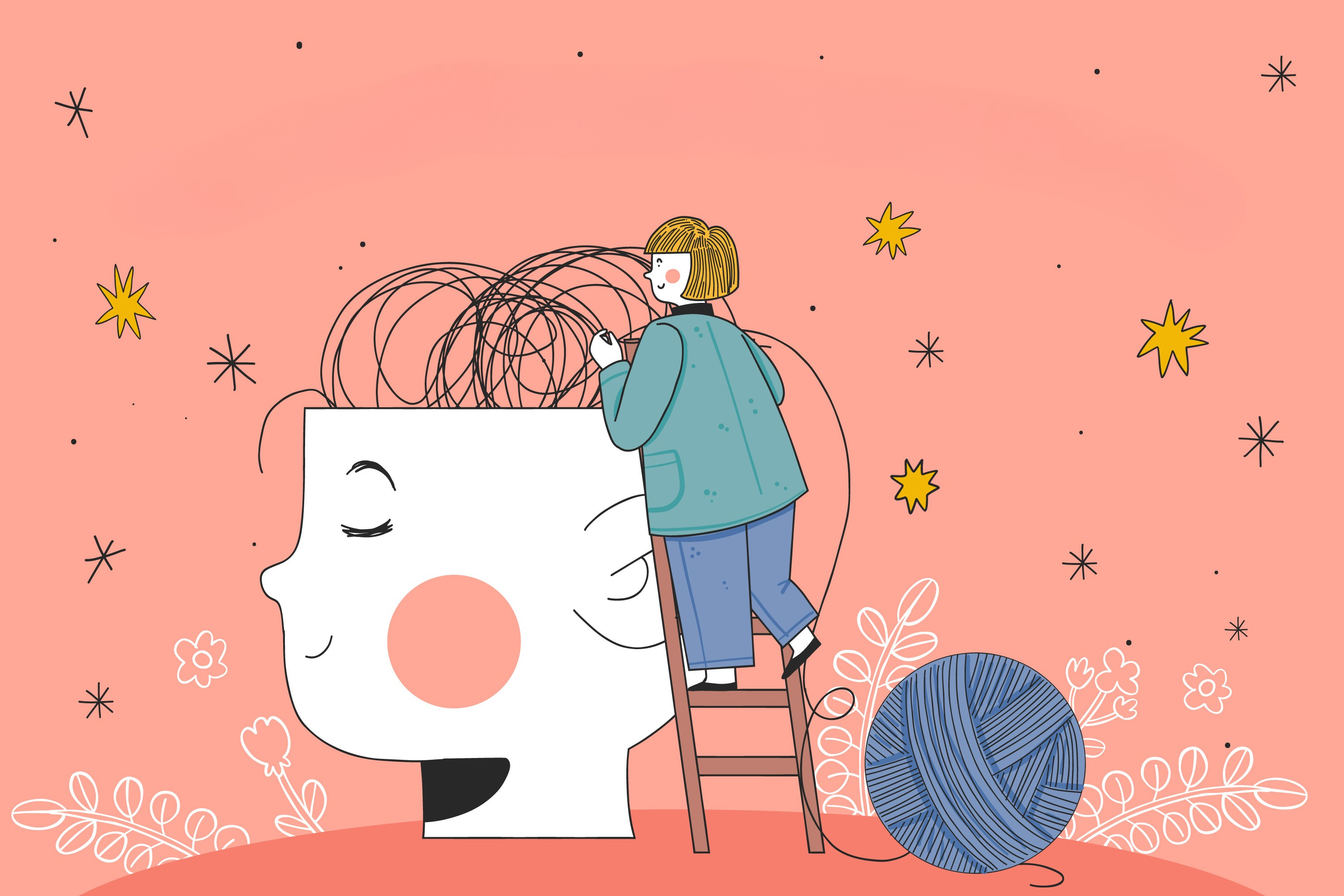
And remember, therapy is a meeting of minds between two experts. They are the expert on psychological well-being and you are the expert on you. They are there to hold up a mirror to your struggles so that you can see things more clearly and untangle the knots. They are also there to make sure you are kind to yourself throughout this unpacking and to reinforce your confidence to face problems and embrace good things in life.
8. I can’t wait weeks for an appointment (Emergencies)
Use these resources immediately if there is an emergency.
- Life threatening emergency: 144
- Police emergency: 117
- HUG Psychiatric Emergencies: 022 372 38 62 – Located at the University Hospital, open 24/7.
- “La Main Tendue” (The Helping Hand): 143 – Anonymous, 24/7 crisis line with English services. You can call, text, or chat online.
We’re so grateful for the contribution of Carolina De La Torre Ugarte, Socio-anthropologist and ADHD Coach, whose expertise helped shape this guide on mental health care in Geneva and give it the authority this subject deserves. If you found this guide helpful, I highly recommend checking out her work in Psychoeducation and Neurodivergent Support at Chat ADHD.



Leave a Reply